
The rise of side hustles is one of the defining features of Gen Z’s money mindset. From freelancing and content creation to selling products online and offering digital services, side hustles have become more than just extra income they’re a lifestyle.
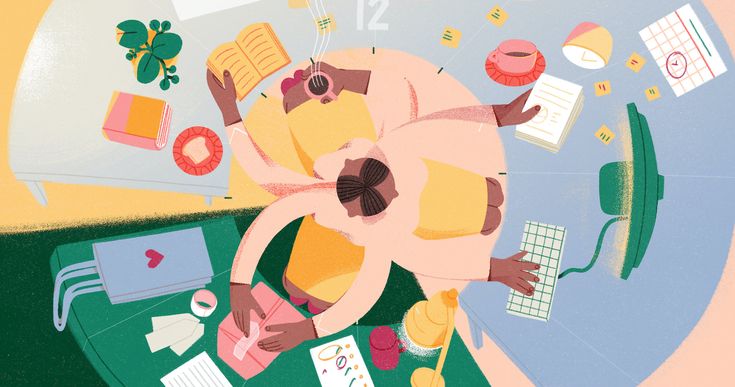
For many young people, side hustles symbolize freedom: financial independence, creative expression, and the ability to escape traditional 9–5 jobs. But on the flip side, this constant hustle culture can also lead to burnout, stress, and unhealthy relationships with money and productivity.
So, what drives us toward side hustles? Are they really a ticket to freedom, or are they just another form of pressure disguised as opportunity? Let’s explore the psychology behind side hustles, why they attract Gen Z, and how to balance passion, profit, and mental well-being.
TO KNOW MORE ABOUT THIS – CLICK HERE
Why Side Hustles Are So Popular Among Gen Z
Unlike previous generations, Gen Z grew up in a digital-first world where making money online isn’t just possible it’s normalized. Platforms like Instagram, YouTube, Fiverr, and Etsy have turned hobbies into income streams.
Key Reasons for Gen Z’s Hustle Culture:
- Financial Pressure – Rising education costs, inflation, and unstable job markets push young people to find additional income.
- Desire for Independence – Side hustles provide a sense of control over money without relying on parents or employers.
- Passion + Profit – Many side hustles come from personal interests: art, fashion, gaming, writing, or tech.
- Identity & Self-Worth – In a social media-driven world, success is often tied to visible productivity and achievements.
- Entrepreneurial Spirit – Gen Z values freedom and creativity over rigid career structures.
The Psychology Behind Side Hustles
1. Freedom Mindset
Side hustles satisfy the psychological need for autonomy. The ability to choose when, where, and how to work gives a sense of freedom traditional jobs don’t always provide.
2. Dopamine from Progress
Each client, sale, or milestone gives a dopamine boost, reinforcing the behavior. This is why people get hooked on hustling it feels rewarding.
3. Identity and Self-Expression
A side hustle isn’t just about money; it’s about who you are. Your craft, business, or creative work becomes part of your identity and self-worth.
4. Fear of Missing Out (FOMO)
Social media glorifies side hustles. Seeing peers succeed can trigger anxiety: “If I’m not hustling, I’m falling behind.”
5. Scarcity Mentality
Many hustle out of fear—fear of not having enough money, fear of job loss, fear of being stuck. While motivating, it can also lead to stress and exhaustion.
The Dark Side: When Side Hustles Lead to Burnout
Not all hustles are healthy. The pressure to monetize every passion can turn joy into stress.
Signs of Burnout from Side Hustles:
- Constant exhaustion, even after small tasks.
- Loss of excitement for hobbies that used to bring joy.
- Feeling guilty when not working.
- Irritability, stress, or poor sleep.
- Declining mental health due to financial and time pressure.
Why Burnout Happens:
- Overcommitment – Trying to juggle full-time studies/jobs + hustles.
- Toxic Productivity – Belief that rest = laziness.
- Financial Pressure – Hustle shifts from passion to survival.
- Comparison Trap – Measuring success against social media highlight reels.

Freedom vs. Burnout: Finding the Balance
The line between empowerment and exhaustion depends on how you approach your hustle.
1. Set Clear Boundaries
- Define work hours and stick to them.
- Separate hustle time from rest time.
2. Redefine Success
Not every hustle has to become a six-figure business. Sometimes, the value lies in experience, creativity, or extra savings.
3. Prioritize Mental Health
Burnout is expensive physically, emotionally, and financially. Take breaks, practice mindfulness, and allow yourself non-productive time.
4. Avoid Over-Monetization
Not every hobby needs to make money. Keep at least one passion free from financial goals.
5. Create Systems, Not Chaos
Use tools like Trello, Notion, or Google Calendar to manage tasks efficiently instead of working endlessly without structure.
6. Focus on Sustainable Growth
Instead of chasing quick wins, aim for long-term balance. A hustle that drains you won’t last.
Psychological Benefits of Side Hustles (When Managed Well)
- Confidence Boost – Achieving goals outside traditional paths builds self-esteem.
- Financial Security – Extra income reduces anxiety around expenses.
- Skill Development – Hustles build soft and hard skills useful for careers.
- Sense of Purpose – Turning passions into impact creates fulfillment.
- Resilience – Overcoming challenges makes you mentally stronger.
Practical Steps for Gen Z to Avoid Hustle Burnout
- Start with One Hustle: Don’t spread yourself thin across multiple projects.
- Create Passive Income Streams: Digital products, print-on-demand, or courses reduce time-for-money pressure.
- Batch Work: Group tasks (like content creation) to save time and energy.
- Set “Rest Goals”: Treat relaxation as important as deadlines.
- Track Energy, Not Just Time: Work when you’re most productive instead of forcing late nights.
Real-Life Examples
- Freedom Story: A student freelancing in graphic design to pay tuition while building a portfolio. Balanced work hours prevent stress, and savings provide independence.
- Burnout Story: A creator monetizing every hobby YouTube, Instagram, freelancing leading to 12-hour days, mental exhaustion, and losing joy in passions.
These examples show the psychological spectrum: side hustles can be either empowering or draining, depending on mindset and boundaries.
Conclusion
Side hustles are neither purely freedom nor purely burnout—they’re both, depending on how you approach them. For Gen Z, they represent financial independence, creativity.