
After a difficult day, have you ever found yourself purchasing a small item “just to feel better” or shopping online? If so, you have had emotional expenditures. That’s when your heart decides before your brain has a chance to weigh in. Emotional spending refers to the unseen emotional bond we have with our financial decisions, not just excessive spending or reckless money management.In today’s world, especially among Gen Z, money isn’t simply a medium of exchange. It’s a form of expression, a coping tool, and sometimes even a substitute for emotional comfort. Our spending habits often reflect our inner emotional states more than our actual financial needs. This connection between emotion and money is complex, deeply human, and something most people aren’t even aware of until they take a closer look.
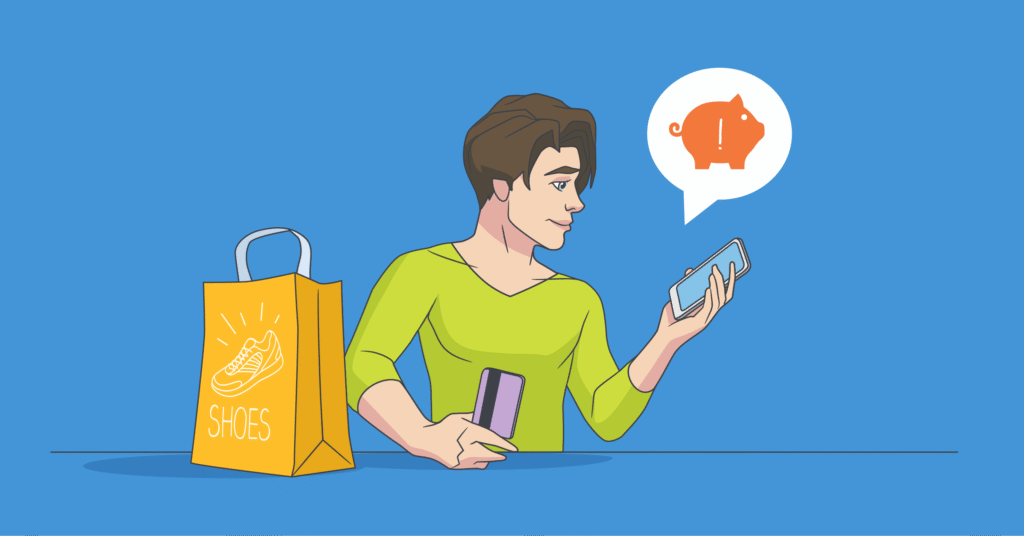
What Is Emotional Spending?
When purchases are motivated by emotions rather than needs, this is known as emotional spending. It occurs when you purchase something because you wish to feel a certain way, such as happier, calmer, more confident, or even less alone, rather than because you need it. Sometimes emotional spending is subtle rather than impulsive or excessive. Perhaps it’s that coffee you buy every morning because it gives you a sense of control rather than caffeine. Or the new outfit you order because you want to feel “enough” after looking through social media.The core of emotional spending lies in this psychological loop — an emotion triggers a purchase, which gives temporary relief, but that relief fades, often followed by guilt or emptiness. It’s not the product that matters; it’s the emotional response it promises to give.
YOU MAY ALSO READ THIS-click here
The Psychology Behind Emotional Spending
Spending money is not an exception to the profoundly emotional nature of human behavior. Emotional spending is explained by behavioral economists and psychologists using the brain’s reward system. Dopamine, a neurotransmitter that produces feelings of pleasure and contentment, is released into your brain when you make a purchase. The behavior is reinforced by this dopamine surge, increasing the likelihood that you will repeat it.
This cycle is exacerbated by internet shopping. Small amounts of dopamine are released with each step, including the anticipation of browsing, the thrill of adding things to the cart, and the final rush of selecting “Buy Now.” The emotional high is maintained even while you wait for the package to arrive. Before you know it, shopping turns into a coping strategy, a simple and quick way to get away from unpleasant feelings.But emotional spending isn’t just about chasing dopamine. It’s also deeply connected to our self-image and identity.
Emotional Triggers That Lead to Spending
Different emotions push us toward spending for different reasons. Understanding these emotional triggers is the first step in gaining control over them.
Stress: When we’re stressed, our brain craves quick relief. Buying something gives us a sense of control, even if it’s temporary. That’s why stressful weeks often lead to impulsive online orders.
Sadness: Sadness often leaves us feeling empty or disconnected. Shopping becomes a way to fill that emotional void. The act of buying gives a sense of comfort even though the feeling fades quickly once the novelty wears off.
Loneliness: When we feel lonely, we subconsciously try to replace connection with consumption. We buy things to feel cared for or noticed, as if possessions can substitute for emotional warmth.
Happiness: Ironically, even positive emotions can trigger overspending. When we’re happy or celebrating, we justify purchases as rewards “I deserve this.” While there’s nothing wrong with treating yourself occasionally, it can spiral into impulsive financial decisions if unchecked.
Boredom: Boredom is one of the most underrated triggers of emotional spending. When you have nothing else to do, scrolling through shopping apps feels entertaining until you realize how much money has silently slipped away.
The Hidden Role of Social Media
Social media has a significant impact on Gen Z’s emotional expenditures. We see influencers showcasing new fashions, technology, or vacations every day; these are lifestyles that appear to be within our reach with a single purchase. Subtle insecurities are triggered by the constant comparison, leading us to think that purchasing something new will make us feel better or fit in.
Social media promotes emotions in addition to goods. It sells happiness, success, beauty, and confidence emotions we attempt to purchase with material possessions. The issue is that these purchases rarely provide long-lasting emotional satisfaction. The result of continuously seeking approval through spending is frequently emotional and financial exhaustion.
How Emotional Spending Affects Financial Health
When emotional spending occurs infrequently, it may appear innocuous, but over time, it can seriously harm your financial security. Small, rash purchases soon mount up. Although a few hundred rupees here and there might not seem like much, it can quickly add up to thousands of rupees over the course of a month or a year.
The emotional toll is equally severe. Overspending frequently results in regret and guilt, which can diminish one’s sense of self. You might be pushed to spend more money for comfort after this emotional collapse, which could start a vicious cycle. Many people experience chronic debt or savings anxiety as a result of this pattern, making the mere thought of money stressful .
Recognizing Emotional Spending in Your Own Life
You must become aware of your emotional spending before you can control it. Change starts with awareness. For a week or two, start by tracking your spending habits. Note what you buy, how much it costs, and above all your feelings both before and after the purchase.
You might begin to notice emotional trends, such as loneliness driving you to shop late at night or stress driving you to food delivery apps. You can distinguish between emotional impulses and true needs by being aware of these triggers.
Ask yourself:
- Do I shop when I’m upset or bored?
- Do I feel guilty after making a purchase?
- Do I justify my spending by saying “I deserve this”?
- Do I often buy things I don’t use?
If your answer to most of these is yes, it’s a sign that your emotions are quietly influencing your financial behavior.
Breaking the Cycle of Emotional Spending
Once you’re aware of your emotional triggers, the next step is managing them. Here are practical ways to stop emotional spending without completely denying yourself joy or comfort.
1. Pause Before You Purchase:
Implement a “24-hour rule.” Whenever you feel the urge to buy something that’s not essential, wait for a day before making the purchase. Most emotional impulses fade with time, and if you still want it later, you’ll know it’s a rational choice.
2. Ask What You’re Really Feeling:
Before spending, check in with yourself. Are you sad, bored, or stressed? Identifying the emotion helps you respond in healthier ways like journaling, calling a friend, or taking a walk instead of shopping.
3. Create an Emotional Budget:
Set aside a small amount of money every month for guilt-free “emotional spending.” This allows you to enjoy occasional treats without going off-track financially. The key is to keep this budget fixed and separate from your savings.
4. Find New Coping Mechanisms:
Replace emotional shopping with healthier habits. Exercise, painting, listening to music, or even organizing your space can provide emotional release without costing money. The more you practice emotional regulation, the less dependent you become on shopping for happiness.
5. Unfollow Triggers on Social Media:
If certain influencers or accounts make you feel pressured to spend, mute or unfollow them. Curate your feed to include more financial education, mental health, and self-growth content instead of consumption-driven posts.
6. Practice Gratitude:
Gratitude shifts focus from what you lack to what you already have. When you appreciate your current possessions and experiences, the desire to constantly buy more naturally decreases.
Conclusion: Spend with Awareness, Not Emotion
Emotional spending ultimately comes down to mindfulness rather than money. It’s about learning to stop and consider your spending before proceeding. Are you purchasing to satisfy a need, treat yourself, or get away from an uncomfortable situation? You take back control as soon as you begin to ask these questions.
Spending intentionally rather than completely ceasing to spend is the aim. Purchase items that will actually improve your life, not just your mood. You can achieve both financial and emotional stability when you begin to match your purchases with your true values rather than your fleeting feelings.
Instead of acting as a therapist, money ought to be a tool. Making financial decisions that support your long-term happiness rather than your fleeting emotions gets easier the more you realize that your feelings are real but fleeting. Take a deep breath and ask yourself, “What am I really buying right now—the item, or the feeling?” the next time you get that familiar urge to “add to call to action.