
The Dream of Being Your Own Boss
“Take charge of your own destiny.”
Doesn’t it sound empowering? Millions of people, particularly Gen Z, are motivated by this phrase to leave traditional jobs, launch side businesses, develop their brands, or work as freelancers. Working on your own terms seems like the best way to be creative, free, and in charge of your life.
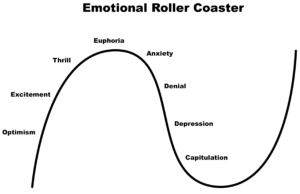
The emotional rollercoaster of entrepreneurship, however, is a reality that is rarely discussed behind the slick Instagram reels and “work from anywhere” lifestyle. Being your own boss involves a profound psychological journey in addition to financial and professional considerations. One day it can make you feel invincible, and the next you’ll be lost.
The Allure of Independence
Being your own boss means freedom for many people—no bosses, strict schedules, or boundaries. The choice is yours:
When to go to work
How to operate
With whom to collaborate
What to construct
It’s about breaking free from a system that frequently feels constrictive. From starting small businesses to creating content and freelancing, many Gen Z entrepreneurs make money from their passions. This journey’s initial phase frequently feels exuberant:
But this honeymoon phase doesn’t last forever. The moment the initial excitement fades, reality steps in.
The Emotional Highs of Entrepreneurship
- A feeling of liberty Nothing compares to realizing that your time is your own when you wake up. You don’t have to work for someone else’s dream or adhere to their rules. Being in charge gives you a strong emotional high.
- Ingenuity Being an entrepreneur enables you to realize your vision precisely as you have envisioned it. Your signature appears on every choice, item, and service. Self-confidence and purpose are increased by this sense of ownership.
- Acceleration of Personal Growth Being your own boss forces you to pick things up quickly. You develop in ways that a typical job might not encourage you to, from marketing and financial management to leadership and communication. .
- Whether it’s working at midnight or traveling while managing your business, the flexibility factor gives you a lifestyle most people crave. It’s emotional liberation from the traditional 9-to-5 box.
YOU MAY ALSO READ THIS –click here
The Emotional Lows Nobody Talks About
What social media often hides is that freedom comes with weight responsibility, uncertainty, and pressure.
1. Uncertainty & Fear of Failure
When you’re your own boss, there’s no guaranteed paycheck. Every month can look different, and this uncertainty can create anxiety, especially in the early stages. You start questioning:
- “What if it doesn’t work?”
- “What if I’m not good enough?”
- “What if I fail?”
This fear can be paralyzing if not managed properly.
2. Loneliness of Decision-Making
When you’re employed, decisions are shared. When you’re self-employed, every decision rests on your shoulders from strategy to execution. That can feel isolating, especially when things don’t go as planned.
3. Overworking & Burnout
Ironically, being your own boss often means working more than you did in a job. There’s pressure to grow fast, stay relevant, and prove your worth. This can lead to:
- No real work-life balance
- Sleep deprivation
- Loss of motivation
- Chronic fatigue
4. Imposter Syndrome
Many entrepreneurs silently battle imposter syndrome. Even with achievements, there’s a lingering voice that whispers:
- “You don’t really deserve this.”
- “Someone else could do it better.”
- “You’re just lucky.”
This self-doubt can hold you back from taking bold steps.
5. Financial Stress
Money plays a huge emotional role. When you’re responsible for your own income, the pressure to perform financially can be overwhelming. Slow months or failed launches can affect not just your bank balance but your mental health too.
Why the Emotional Rollercoaster Happens
This journey feels like a rollercoaster because entrepreneurship is not just professional it’s deeply personal.
- Your business is an extension of your identity.
- Your income depends on your performance.
- Your success or failure feels like your worth.
This fusion of self + business makes every win and loss emotionally intense. Add social media pressure, comparison, and societal expectations, and it becomes even more layered.
Unlike traditional jobs, entrepreneurs often don’t have a safety net and that amplifies emotional highs and lows.
The Psychology of Being Your Own Boss
1. Dopamine & Motivation
The “rush” you feel when you hit a goal is dopamine the reward chemical. But chasing this rush without balance can make you addicted to only big wins, causing burnout when progress slows down.
2. Self-Identity
Many entrepreneurs tie their entire identity to their business. This can make failure feel personal, not situational which is dangerous for mental health.
3. Control & Uncertainty
Humans crave control. Entrepreneurship offers more control than a job but also introduces more unknowns. Balancing these opposing forces requires mental strength.
4. Growth Mindset
Those who thrive are usually not the ones with the “best idea” but the ones with a resilient mindset. They understand setbacks are part of the journey, not a reflection of their worth.
Gen Z & The Rise of Solo Entrepreneurs
Gen Z is rewriting what it means to be your own boss. Unlike previous generations, Gen Z is:
- Building personal brands online.
- Launching micro-businesses and side hustles.
- Valuing flexibility over traditional job security.
- Prioritizing mental health and meaning in work.
But this also means they face emotional challenges earlier in their careers. Recognizing and addressing these emotions early builds long-term resilience.
The Balance Between Freedom & Pressure
There are two sides to being your own boss. Joy, creativity, and control are brought about by freedo Stress, doubt, and uncertainty accompany responsibility.
The low points are a necessary part of the journey, so it’s not important to avoid them. Building routines, routines, and mentalities that enable you to ride the rollercoaster without falling off is crucial.
Being an entrepreneur is not easy. Emotional waves teach you purpose, strength, and clarity.
Conclusion: Riding the Rollercoaster
Being your own boss is not just a career move it’s an emotional journey of self-discovery. It will test your resilience, question your beliefs, and challenge your identity. But it can also make you stronger, wiser, and deeply fulfilled.
You’ll face days when everything clicks — and days when you question everything. But that’s what makes entrepreneurship so real. It’s not about being perfect. It’s about staying in the game, learning, adapting, and growing through every turn of the rollercoaster.
Freedom isn’t free but it’s worth it.