
When Tiredness Hits, So Does Overspending
Have you ever observed that after a long, tiring day or late at night, you tend to make your most rash purchases? You’re not by yourself. One of the most subtle causes of impulsive spending is decision fatigue, which is the mental tiredness brought on by having too many options.
Every time we scroll, tap, or move in our world, we have to make a choice about what to eat, what to wear, which message to respond to, and which tasks to prioritize. Your brain is worn out from making decisions by evening. Additionally, your wallet becomes vulnerable when your mind is fatigued.
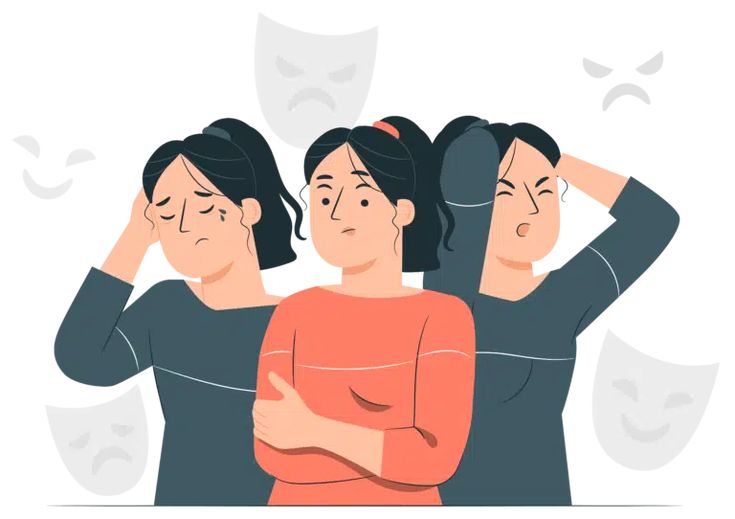
What Is Decision Fatigue?
Decision fatigue is a psychological phenomenon that occurs when the quality of our decisions declines after a long session of decision-making.
Every time you make a choice big or small it uses up a small amount of mental energy. Over the course of a day, these little decisions pile up. Eventually, your mental energy runs low, and you’re more likely to choose the easiest or most rewarding option in the moment, often without considering long-term consequences.
For example:
- You plan to save money but end up ordering takeout after a long workday.
- You add “just one more thing” to your online cart because it feels good.
- You avoid comparing prices or looking for deals because you’re too tired to think.
YOU MAY ALSO READ THIS-click here
Why It Feels Good to Spend When You’re Tired
Spending releases dopamine, a neurotransmitter linked to reward and pleasure. Your brain wants immediate solace when you’re exhausted, anxious, or overburdened. Purchasing a small item can provide you with a short-term boost.
For this reason:
Apps for shopping appear more appealing at night.
“Add to Cart” is gratifying.
After a stressful day, it’s simpler to defend needless spending.
However, that instant comfort frequently results in buyer’s regret the following day.
Common Scenarios Where Decision Fatigue Leads to Overspending
- Late-night online shopping: After a long day, scrolling through shopping apps becomes a way to relax, but it often ends in unplanned purchases.
- Grocery shopping after work: When you’re exhausted, you’re more likely to buy junk food or unnecessary items.
- Sale or discount traps: Your tired brain convinces you it’s a “smart deal,” even if you don’t need the product.
- Subscription sign-ups: Saying yes to trials or subscriptions because evaluating them feels like too much work.
- Food delivery apps: Choosing the easy option over home-cooked meals.
The Psychology Behind It
Decreased Self-Control: Your capacity to withstand temptation deteriorates when your mind is worn out.
Emotional Coping: After a difficult day, shopping may seem like a way to treat yourself.
Shortcut Thinking: Your brain chooses the “easy yes” rather than considering whether a purchase makes sense.
Loss of Willpower: You may believe that the expenditure is warranted because “you deserve it.”
Practical Strategies to Avoid Overspending
1. Set a Spending Schedule
Avoid making financial decisions late at night. Try to make major purchases or financial plans earlier in the day when your mind is fresh.
2. Create Pre-Decided Budgets
When your budget is clear and automatic, your brain has fewer decisions to make which means less room for impulsive spending.
3. Use the 24-Hour Rule
Before buying something that isn’t essential, wait 24 hours. If you still want it after that, go ahead. If not, you’ve saved your money.
4. Uninstall or Log Out of Shopping Apps
Make spending less convenient. Extra steps give your brain time to rethink.
5. Meal Prep and Plan Ahead
If food delivery is your weakness when tired, having prepped meals ready will reduce your decision load and save money.
6. Limit Daily Decisions
Automate small parts of your day like what to wear or what to eat to save mental energy for important decisions.
7. Prioritize Rest
Good sleep and breaks throughout the day keep your mind sharp and your decision-making strong.
Building a Healthier Relationship with Money
Your spending habits are not just about money they’re about emotions, energy, and self-awareness. Decision fatigue doesn’t make you weak; it makes you human.
When you start taking care of your mental energy, your financial decisions naturally improve. By making your environment smarter (not just relying on willpower), you protect your wallet from tired-mind traps.