
The Rise of the Side Hustle
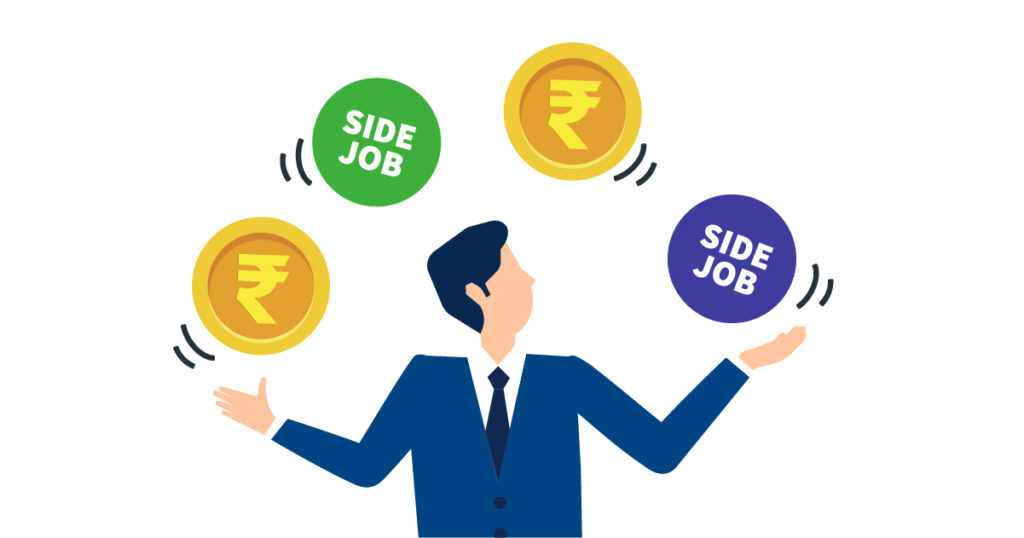
Nowadays, one job is frequently regarded as “insufficient.” Side projects are now seen by Gen Z and Millennials as a sign of ambition, self-reliance, and financial independence. People are looking for new ways to make money on their own terms, from digital marketing and freelancing to content creation, dropshipping, and UGC creation.
However, there is a silent corollary to the flexibility of flexible work: burnout. Late-night work, constant productivity, and the notion that sleep equates to laziness are all exalted in hustle culture. The reality? That is not all there is to it. Although side projects can empower you, they can also subtly deplete your energy.In this blog, we’ll explore how side hustle culture impacts our mindset, finances, and mental health and how to find balance between building your dreams and burning out.
The Psychology Behind Side Hustle Culture
There is more to side gigs than just making money. They have to do with control, identity, and self-worth. Many members of Generation Z feel constrained by the conventional 9–5 work schedule. They yearn for freedomto work from any location, to create something worthwhile, to abandon established structures.
Additionally, hustle culture has a psychological pull:
Validation: A lot of people mistake productivity for self-worth.
Fear of falling behind: You may feel that you need to put in more effort to “catch up” because social media frequently exalts success stories.
Desire for security: Relying solely on one source of income can feel risky due to rising living expenses.
These factors push people to turn their hobbies into income streams, monetize their passions, or chase passive income. But what starts as a dream can turn into a non-stop grind when boundaries aren’t set.
YOU MAY ALSO READ THIS –click here
How Side Hustles Empower People
1. Financial Freedom and Stability
For many, a side hustle is the first step toward financial independence. Extra income can help pay off debt, build savings, or fund personal dreams.
2. Creative Expression and Passion Projects
Unlike a full-time job, a side hustle is often something people choose. It reflects their interests and creativity. A person might be a student during the day and a content creator, designer, or tutor at night.
3. Skill Development
Side hustles are also an incredible way to learn new skills from marketing and business to communication and tech. These skills can later open doors to better opportunities or even full-time entrepreneurship.
4. Flexibility
Unlike rigid jobs, many side hustles allow for remote work and schedule flexibility, which is especially appealing to Gen Z, who value work-life balance.
The Dark Side: Burnout & Overhustling
“Never stop working” is frequently extolled as a badge of honor in hustle culture. To keep up, people forgo sleep, social interactions, and mental health.
- Constant Expectations of Performance It can start to feel like a job when your pastime turns into a source of income. Pressure takes over as the joy wanes. You are now performing for survival rather than merely creating.
- Indistinct Work-Life Lines Many people wind up working late nights or weekends because side gigs frequently take place after work or school. This causes mental fatigue by obfuscating the distinction between “me time” and “work time.”
- Shame About Sleep We are frequently taught by hustle culture to feel bad about taking breaks. You feel as though you’re “wasting time” or “falling behind” if you’re not working.
- Lack of proper sleep, constant stress, and no emotional breaks can lead to burnout, anxiety, irritability, and even physical health issues over time.
Social Media and the Pressure to Hustle
Social media is one of the main drivers of hustle culture. Creators are promoting their side projects, passive income streams, or “day in the life” vlogs on platforms like YouTube, Instagram, and TikTok.
This can be motivating, but it can also lead to harmful comparison. You don’t see the hardships, stress, and failure that go into those carefully chosen clips.
Because of this ongoing exposure, Gen Z feels like:
“I ought to be doing more.”
“I’m lagging behind in life.”
“Why can’t I make six figures online if they can?”
And this kind of thinking motivates people to put in more effort, frequently at the expense of their mental health.
Hustle vs. Rest: Finding the Balance
1. Set Clear Boundaries
Schedule your hustle hours just like your main work or study hours. Don’t let your hustle take over every minute of your life. Protect your rest time.
2. Redefine Success
Success isn’t about constantly working. It’s about creating a sustainable lifestyle that aligns with your values and goals.
3. Rest Without Guilt
Rest is not the opposite of productivity — it’s a part of it. Recovery time allows your mind to stay creative and motivated.
4. Automate & Outsource
For digital side hustles, use automation tools or outsource small tasks. This helps reduce workload while still allowing growth.
5. Listen to Your Body & Mind
Burnout doesn’t happen overnight. It builds up through ignored warning signs like fatigue, irritability, or disinterest. Pay attention early.
Mental Health, Money & Hustle Culture
There’s an invisible thread connecting money and mental health. While financial stability reduces stress, overworking to achieve it can have the opposite effect.
Many hustlers:
- Struggle with anxiety about not doing enough.
- Feel isolated because their time is consumed by work.
- Experience imposter syndrome.
- Deal with low energy and emotional burnout.
This is why building healthy money habits and emotional boundaries is crucial if you want your side hustle to help not harm your well-being.
Breaking the “Always Busy” Myth
The idea that being busy equals being successful is one of the biggest lies of hustle culture. True success comes from balance.
- You can be ambitious and still rest.
- You can build wealth without losing peace.
- You can have a side hustle without working 24/7.
This shift in mindset is essential, especially for Gen Z who grew up online seeing “grind culture” everywhere.
Conclusion: Freedom or Burnout? Your Choice.
Side hustle culture isn’t inherently bad it’s a powerful tool when used wisely. It can give you financial freedom, creative control, and personal growth. But if left unchecked, it can also steal your peace, time, and health.
The key is to hustle smarter, not harder. Set boundaries, protect your energy, and build something that supports your life instead of consuming it.
Gen Z is redefining the future of work not by choosing hustle or rest, but by learning to balance.