
We’ve all been there scrolling through Instagram, spotting that trendy sneaker drop, or seeing a flash sale on our favorite shopping app, and suddenly… click. The order is placed before we even realize what just happened. That’s impulse buying, and it’s not just you it’s a psychological phenomenon that affects almost everyone, especially in today’s digital world.
For Gen Z and young millennials, impulse buying has become a part of daily life. With targeted ads, influencer promotions, and “limited-time” discounts flashing on screens, resisting the temptation feels harder than ever. But why does this happen? Why do our brains love impulsive spending, and what can we do to take control?
In this blog, we’ll break down the psychology behind impulse buying, explore its effects, and share practical tips to manage it without giving up the joy of shopping altogether.
What Is Impulse Buying?
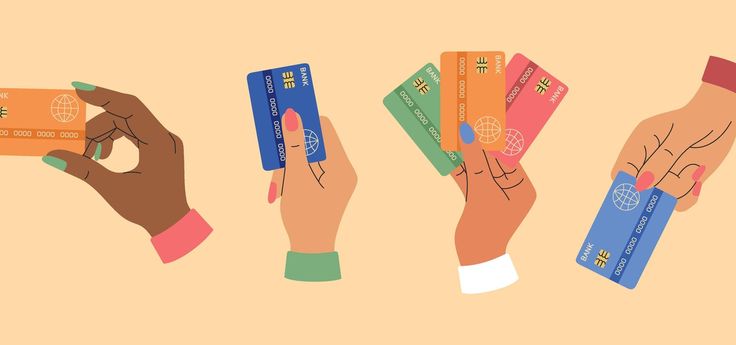
Impulse buying is when you make an unplanned purchase driven by emotions rather than logic. Unlike thoughtful spending (where you plan, compare, and budget), impulse buying is sudden, often triggered by excitement, stress, boredom, or even social pressure.
You may also read this – READ
Examples of Impulse Buying:
- Adding extra snacks at checkout in a grocery store.
- Buying clothes during a flash sale just because they’re “50% off.”
- Purchasing gadgets after watching a short ad on YouTube.
- Ordering food online late at night when you weren’t even hungry.
Impulse buying isn’t inherently bad it can sometimes bring joy. But when it becomes frequent, it leads to regret, guilt, and poor financial discipline.
The Science and Psychology Behind Impulse Buying
Impulse buying is deeply rooted in human psychology. Several factors influence it:
1. Dopamine and Instant Gratification
When we see something we like, our brain releases dopamine, the “feel-good” chemical. Buying gives us a short burst of happiness like a reward. This is why shopping is sometimes called “retail therapy.”
- Gen Z, who grew up with instant access to apps, games, and entertainment, is more vulnerable because they’re wired for immediate results.
2. Scarcity and FOMO (Fear of Missing Out)
Marketing thrives on urgency “Only 2 left in stock!” or “Offer ends in 2 hours.” This scarcity principle tricks our brain into believing the product is rare and valuable.
- Gen Z especially struggles with FOMO, making them quick to grab products before “they’re gone.”
3. Emotional Triggers
Impulse buying is often tied to emotions:
- Stress: Shopping as a way to cope.
- Happiness: Rewarding yourself with purchases.
- Boredom: Scrolling shopping apps to “pass time.”
- Loneliness: Buying things to feel better temporarily.
4. Social Media Influence
Social media is the biggest driver of impulse buying today. Influencers, viral trends, and aesthetic product videos create desires we didn’t even know we had.
- TikTok’s “#TikTokMadeMeBuyIt” is a perfect example of how digital platforms fuel impulsive shopping.
5. Neuromarketing Tricks
Brands use psychological strategies to nudge you:
- Colors: Red tags for “SALE” create urgency.
- Anchoring: Showing the higher “original price” makes the discount feel bigger.
- Free shipping thresholds: Spending more just to avoid shipping fees.
Types of Impulse Buyers
Not all impulse buyers are the same. Psychologists often categorize them into types:
- Reminder Impulse Buyer – Sees something familiar and buys it (“Oh, I needed this!”).
- Suggestion Impulse Buyer – Influenced by ads or displays.
- Planned Impulse Buyer – Intends to buy something small but ends up spending more.
- Pure Impulse Buyer – Completely spontaneous purchase without reason.
Gen Z mostly falls into the suggestion and pure impulse categories due to digital ads and social media trends.
The Hidden Costs of Impulse Buying
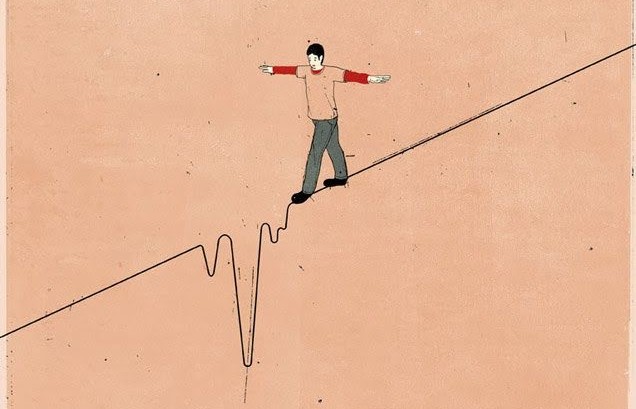
Impulse shopping feels fun in the moment, but it can create bigger issues:
- Financial Strain: Constant unplanned purchases eat into savings.
- Debt Trap: Using credit cards or BNPL (Buy Now, Pay Later) schemes worsens money problems.
- Emotional Guilt: Regretting purchases leads to stress and shame.
- Cluttered Lifestyle: Buying more than you need fills your space with unused items.
- Reduced Goal Progress: Money spent impulsively could’ve gone toward long-term goals like travel, education, or investments.
Why Gen Z Is More Prone to Impulse Buying
- Digital Exposure: Online ads follow them everywhere.
- Peer Influence: Group chats and trends make “not buying” feel like missing out.
- Easy Payments: UPI, credit cards, and EMI options remove the “pain” of paying.
- Influencer Culture: Seeing role models promote products makes them feel authentic.
How to Recognize Your Impulse Buying Habits
Ask yourself these questions:
- Do I often buy things I didn’t plan for?
- Do discounts make me feel pressured to shop?
- Do I regret or hide purchases from family/friends?
- Do I shop when I’m bored, stressed, or sad?
- Do I end up overspending my budget every month?
If you said yes to most, impulse buying is controlling you more than you think.
How to Control Impulse Buying
Here are strategies to take back control without giving up the fun of shopping:
1. Use the 24-Hour Rule
Wait at least 24 hours before buying anything unplanned. Chances are, you’ll lose interest.
2. Make a Shopping List
Stick to your list while shopping—online or offline.
3. Unsubscribe and Unfollow
Unsubscribe from store newsletters and unfollow influencer accounts that trigger FOMO.
4. Set a Budget for Fun Purchases
Allocate a small “treat yourself” budget each month, so you can enjoy without guilt.
5. Understand Emotional Triggers
Identify what feelings lead to your impulsive shopping (stress, boredom, etc.) and find alternatives like exercise, journaling, or hanging out with friends.
6. Track Your Spending
Apps like Walnut, Money Manager, or even Google Sheets can help track impulsive purchases and keep you accountable.
7. Shift to Experiences Instead of Stuff
Spending on travel, hobbies, or learning creates lasting happiness compared to material things.
Balancing Joy and Discipline
Impulse buying isn’t always negative it can spark joy and spontaneity. The key is balance. Treat yourself occasionally but with awareness. Money should give you freedom, not stress. By mastering your money mindset, you can enjoy both shopping and saving.
Conclusion
Impulse buying is more than just a bad habit it’s a psychological game between your emotions and clever marketing strategies. For Gen Z, who lives in a hyper-digital world, being aware of these triggers is the first step toward smarter spending.
Remember: You don’t need to buy every trend to feel worthy or happy. True financial confidence comes from controlling your money, not letting it control you.
Next time a sale notification pops up, ask yourself: “Do I really need this, or am I just craving that dopamine rush?”
Taking charge of impulse buying doesn’t mean giving up fun it means shopping with clarity, purpose, and power.